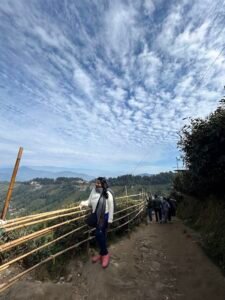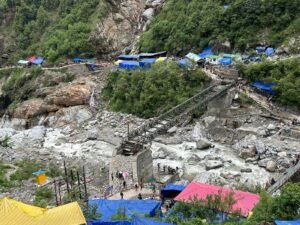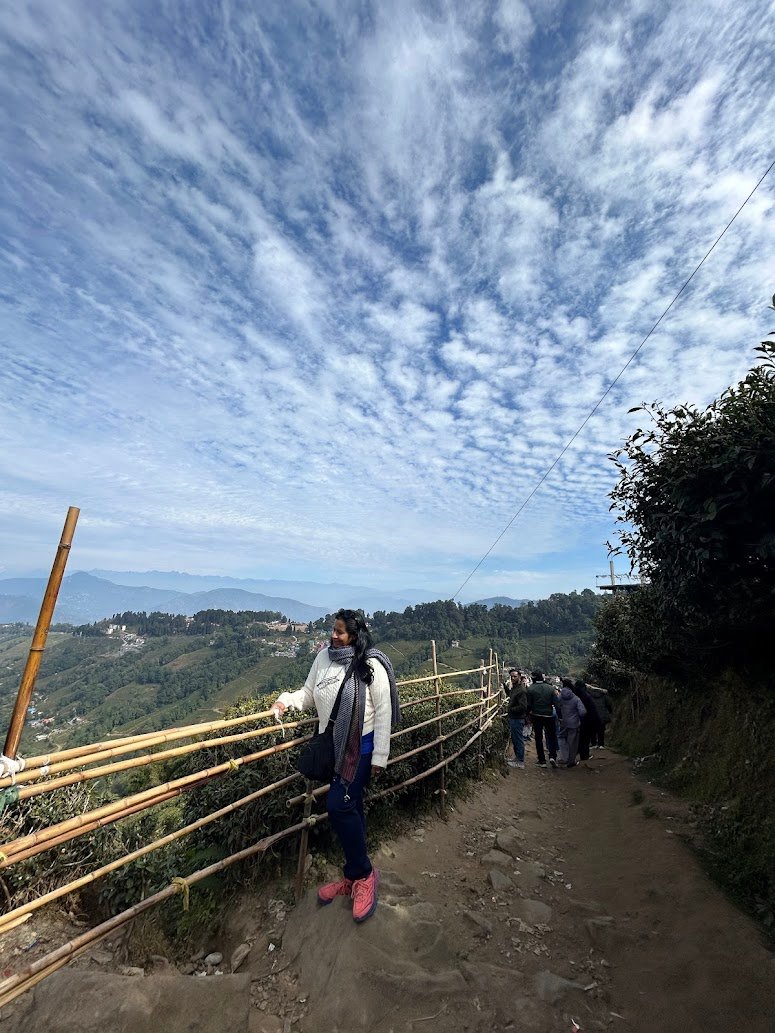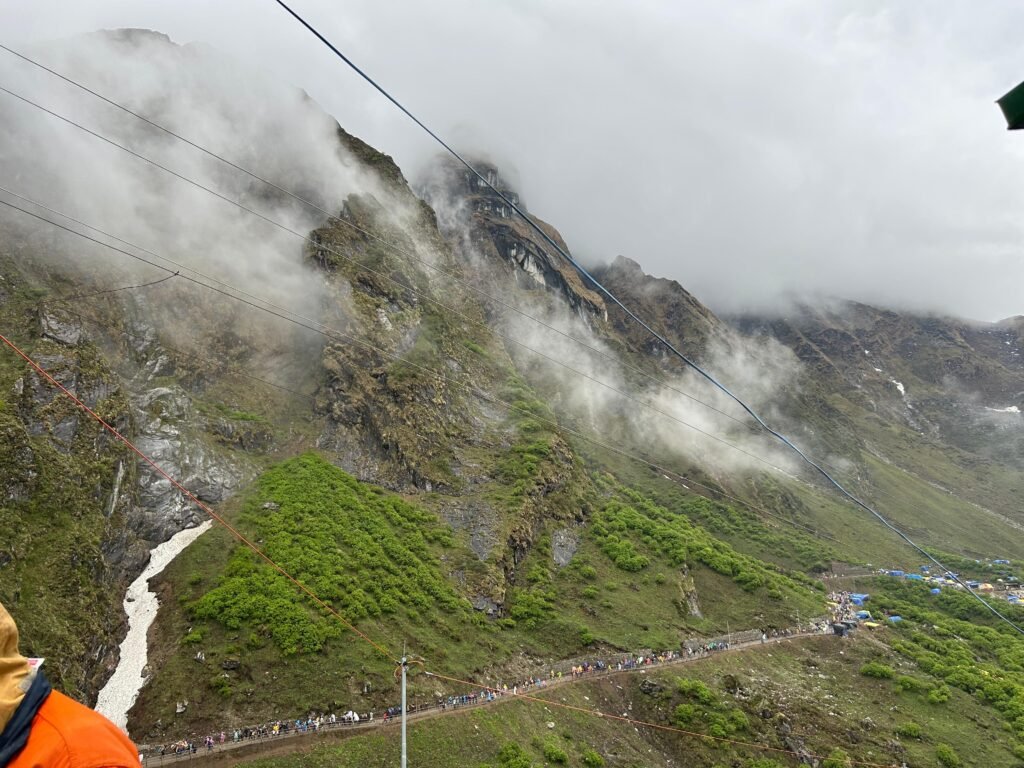
Arrival in the Himalayas does not feel dramatic. The land rises gradually, distances lengthen, and familiar reference points begin to disappear. What feels manageable in the plains becomes uncertain in the mountains — not because the terrain is hostile, but because it operates according to a different logic.
Letting go begins here, almost without announcement. Plans loosen first. Timelines become approximate. Weather introduces its own authority. You realise that insistence has little effect on conditions that existed long before you arrived.
In the mountains, persistence must be negotiated with humility.
The Illusion of Control
In everyday life, control feels achievable. Schedules are kept, outcomes are planned, progress is measurable. The Himalayas quietly dismantle this framework.
Routes change due to landslides. Journeys pause for weather. Altitude alters the body’s capacity without warning. What was intended as steady progress becomes a sequence of adjustments. You learn to hold plans lightly because rigidity makes adaptation difficult.
Letting go here is not surrender. It is recalibration — accepting that movement happens on terms larger than personal intention.
The Body Learns First
Before the mind understands, the body does.
Breath shortens at altitude. Steps slow. Fatigue accumulates differently than it does at lower elevations. Ambition yields to necessity. The body insists on pacing, hydration, rest — conditions that cannot be negotiated through determination alone.
This physical reality strips away abstraction. You cannot will yourself to move faster than oxygen allows. The body becomes an honest measure of what is possible, and listening to it becomes an act of preservation rather than weakness.
Letting go, then, includes releasing the expectation of constant capability.
Silence Without Resolution
Mountain silence differs from the quiet of cities or forests. It is expansive rather than enclosing, offering space without explanation. Questions that feel urgent elsewhere lose their intensity when there is no immediate context to reinforce them.
In this environment, the need for resolution softens. Some uncertainties remain unanswered, not because they are unsolvable but because they lose urgency. Perspective shifts from problem-solving to presence.
Letting go becomes less about abandoning concerns and more about allowing them to exist without constant engagement.
Distance Reorders Importance
From a distance, the scale of the Himalayas rearranges priorities. Personal preoccupations shrink without disappearing entirely. What remains significant is what persists under altered conditions: health, companionship, basic comfort, the ability to continue.
The mountains do not erase complexity; they clarify it. They reveal which concerns are structural and which are circumstantial.
Letting go involves recognising this distinction.
Returning with Less Weight
Departure from the mountains often feels quieter than arrival. Nothing visibly dramatic has occurred, yet something has shifted internally. The urgency to control outcomes has softened. Patience has expanded. The ability to accept uncertainty has strengthened.
Letting go does not mean detachment from life. It means carrying fewer unnecessary expectations — moving forward without needing every condition to align perfectly.
The Himalayas do not teach this through instruction. They create conditions in which it becomes unavoidable.
🌿 Closing
Letting go in the mountains is not an act of will.
It is a gradual adjustment to a landscape that does not require your certainty.