In Konkan, the villages arrive before the sights do.
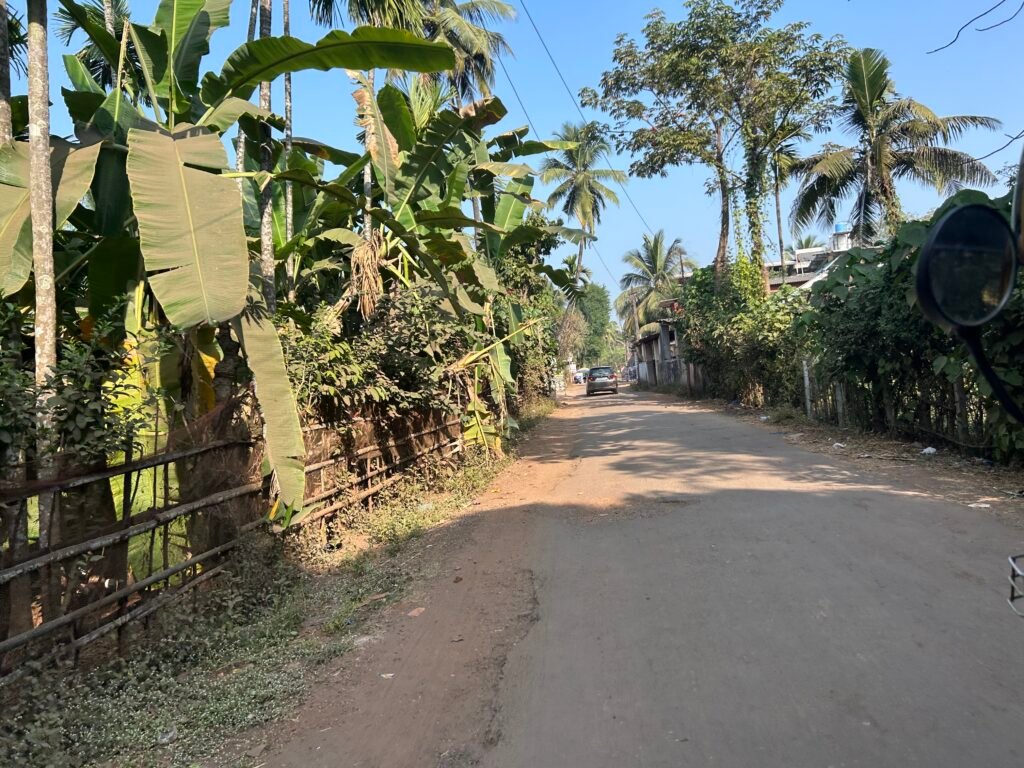
You notice them first — houses tucked into slopes, courtyards opening toward trees, roads narrowing as if to slow you down. The landscape does not separate life from view. Everything sits close together: homes, temples, rivers, fields, and the sea somewhere beyond.
Moving through Konkan is less about stopping and more about passing through. Villages appear without announcement — a cluster of tiled roofs, a bus stand that doubles as a meeting place, a tea stall holding the afternoon together. Life here feels settled rather than staged. Nothing is trying to be seen. It simply is.
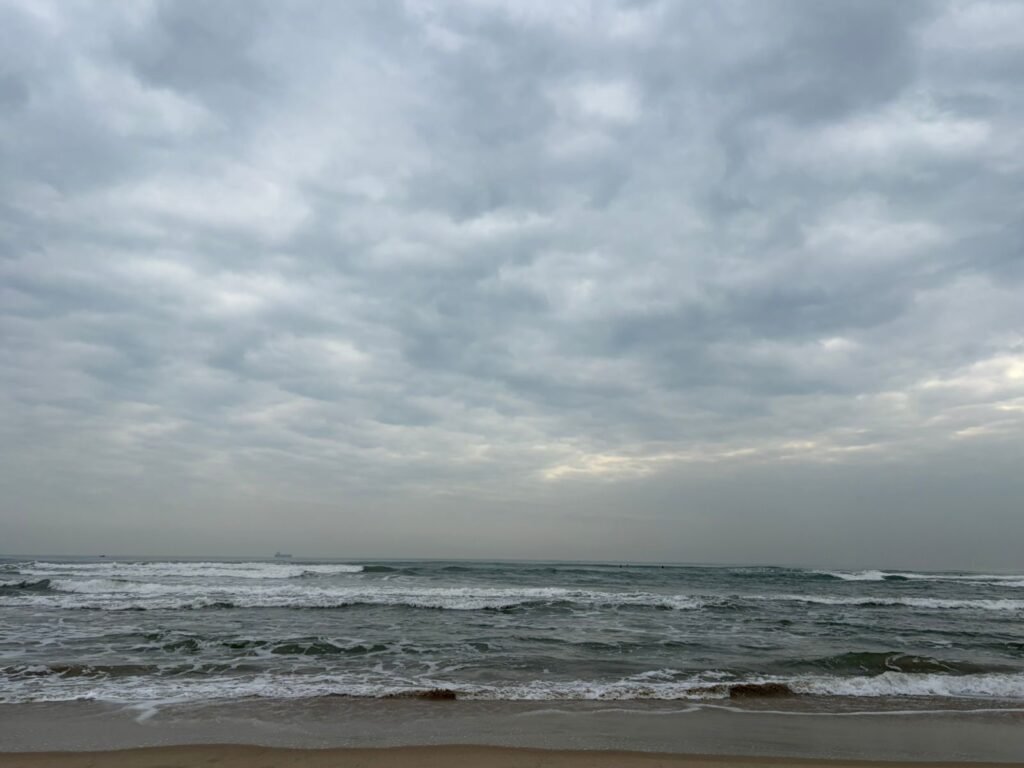
The sights reveal themselves in the same way. A bend in the road opens to a river widening quietly. A path leads to a beach that feels used rather than visited. Temples sit low and functional, woven into daily movement rather than set apart from it. Even viewpoints feel incidental, noticed only because the road pauses long enough for you to look up.
What stays with you are not singular moments, but patterns. The rhythm of walking through shaded lanes. The repetition of fields giving way to forest, then opening out again. The sound of water moving somewhere nearby, rarely demanding attention. Konkan does not build toward spectacle; it unfolds through continuity.
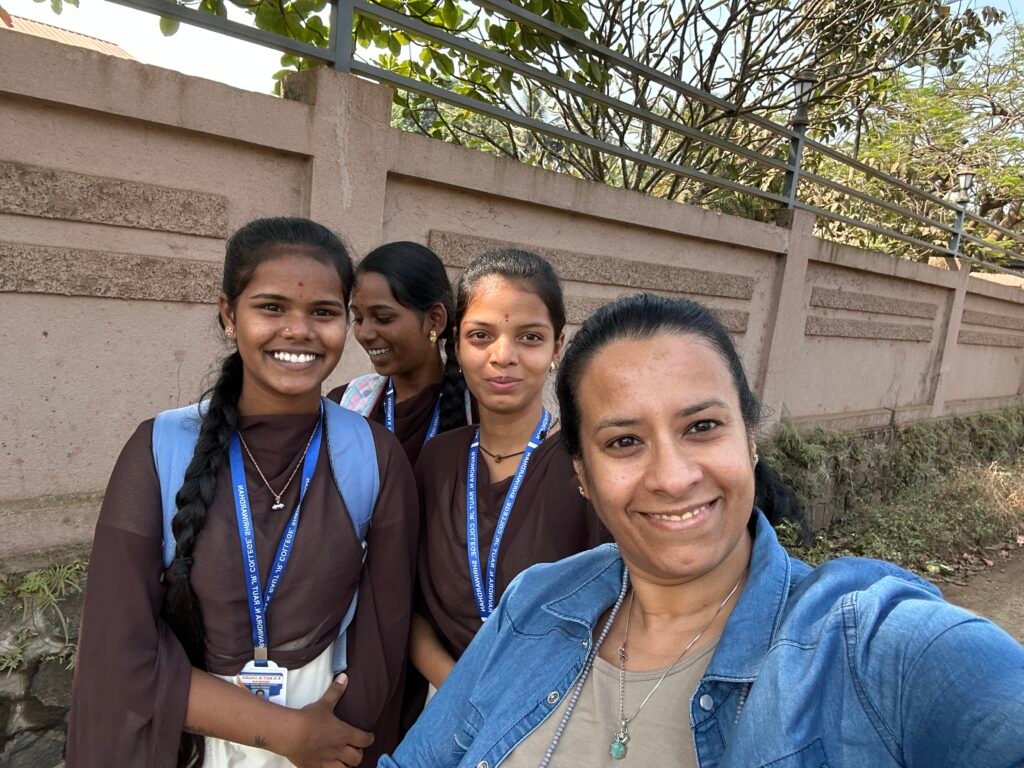
Villages anchor this experience. They give the landscape weight and scale. People move with familiarity — not hurried, not idle — carrying out routines shaped by season and terrain. There is an ease in how life occupies space here, without needing to announce itself. You are always aware that you are passing through something lived-in.
Leaving Konkan, there is no sense of having “covered” it. What lingers instead is a feeling of having moved alongside a place rather than through it. Villages and sights blur together, inseparable, held in memory not as destinations but as fragments of a longer, slower journey.