The body registers what the mind tries to overlook

Travel is often described as movement through space, but in reality it is movement through the body. Distance is measured in breath, strain, hunger, soreness, and recovery. When travelling alone, there is no one else to monitor these signals. Attention becomes internal as much as external.

On solitary journeys, the body stops being background and becomes the primary guide — indicating when to slow down, when to stop, when plans need to change without negotiation.

Fatigue & Endurance

Fatigue accumulates quietly. It does not announce itself dramatically; it dulls decision-making, shortens patience, alters perception.

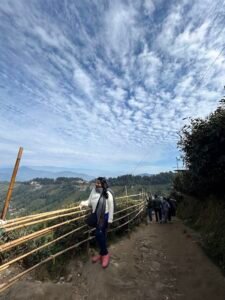
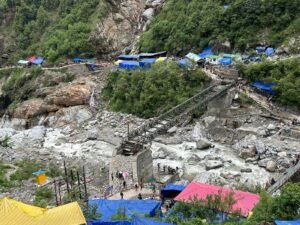
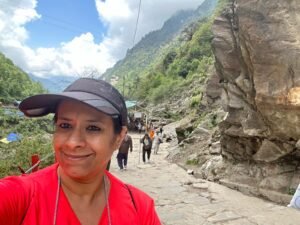
On the ascent to Kedarnath, exhaustion became the defining condition rather than the climb itself. Progress depended less on strength than on pacing — accepting slower movement without self-criticism. Rest stops were not signs of weakness but strategies for continuation.

Travelling alone removes the pressure to match someone else’s endurance, but it also removes shared motivation. The decision to continue must come from within, and so must the decision to stop.

Hunger, Hydration, and Routine

When you travel solo, basic needs cannot be deferred. There is no one to remind you to eat, to share supplies, or to notice when you are running low on energy.

In the remote stretches of the The Dooars, long journeys between settlements made planning essential — carrying water, anticipating delays, accepting whatever food was available rather than waiting for preference. Hunger sharpened awareness but also demanded humility.

Routine, even a minimal one, became stabilising: regular meals when possible, pauses for hydration, small rituals that prevented the body from slipping into depletion.

Illness, Discomfort, and Uncertainty

Falling ill while alone introduces a different kind of vulnerability. Even minor discomforts feel amplified when there is no immediate support system.

In humid coastal regions like the Konkan, heat exhaustion and dehydration were constant possibilities. In colder, higher regions, altitude and temperature fluctuations posed different risks. The body had to be monitored continuously — not anxiously, but attentively.

Discomfort forced adjustments: shorter days, slower movement, occasional withdrawal from planned activities. These changes did not diminish the journey; they reshaped it.

Trusting the Body Over the Plan

Perhaps the most important shift was learning to prioritise physical signals over itinerary.

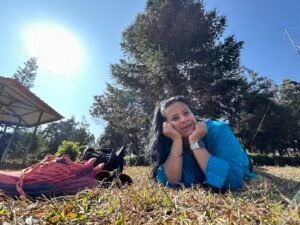
At sites like Ajanta Caves and Ellora Caves, the temptation to “see everything” gave way to the need to sit, rest, and absorb. The body dictated the pace at which experience could unfold meaningfully.

Letting go of completion allowed for deeper engagement. Travel stopped being accumulation and became presence.

The body did not limit the journey. It defined the terms on which the journey could continue.

Woman on Trek or Trails hand book

It is not test on Speed – It is endurance and Strength