The difference between a Konkan village and a Dooars village is not immediately visible. Both sit close to water. Both are shaped by green. Both carry routines that move at a pace slower than the roads that reach them. And yet, staying in each reveals how differently land teaches people to live.
In Konkan, villages feel open even when they are tucked into slopes. Houses lean outward — toward courtyards, roads, and the sea somewhere beyond. Life spills gently into shared spaces. You hear conversations before you see people. Movement feels continuous, unguarded. The village seems comfortable with being seen.
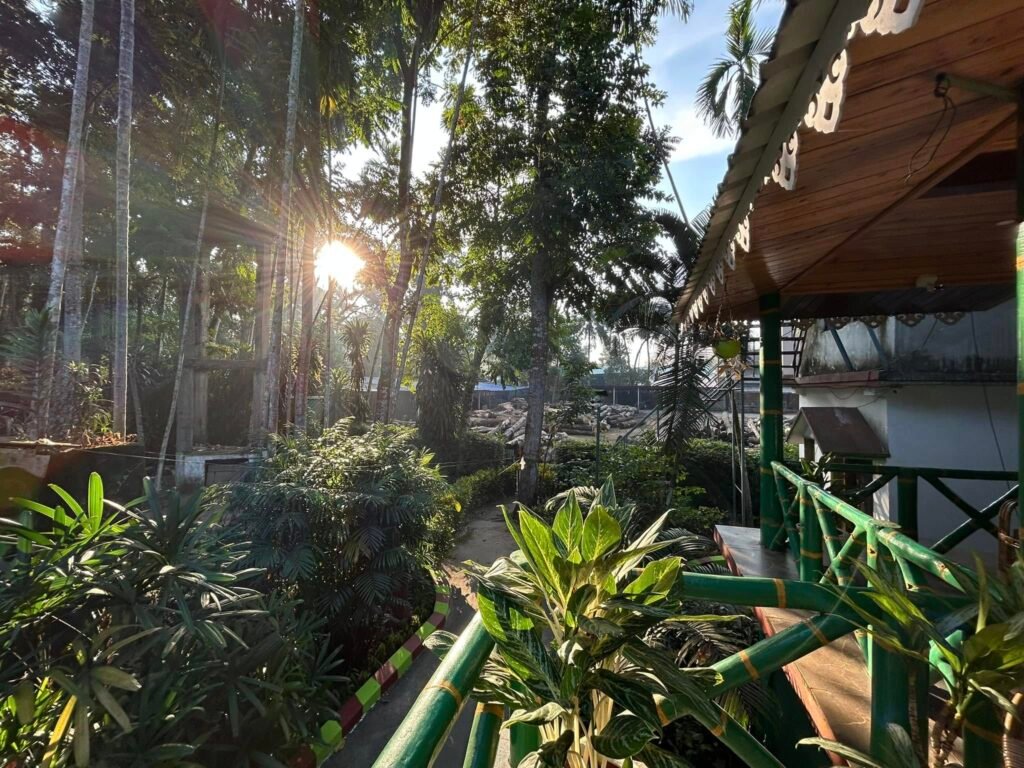
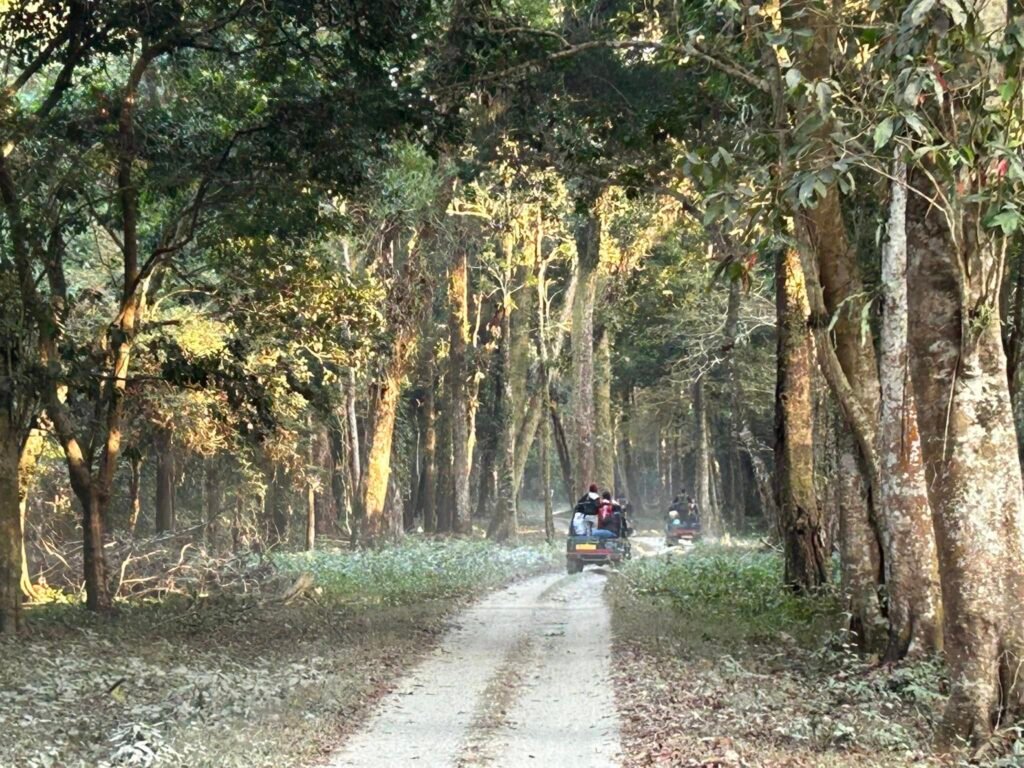
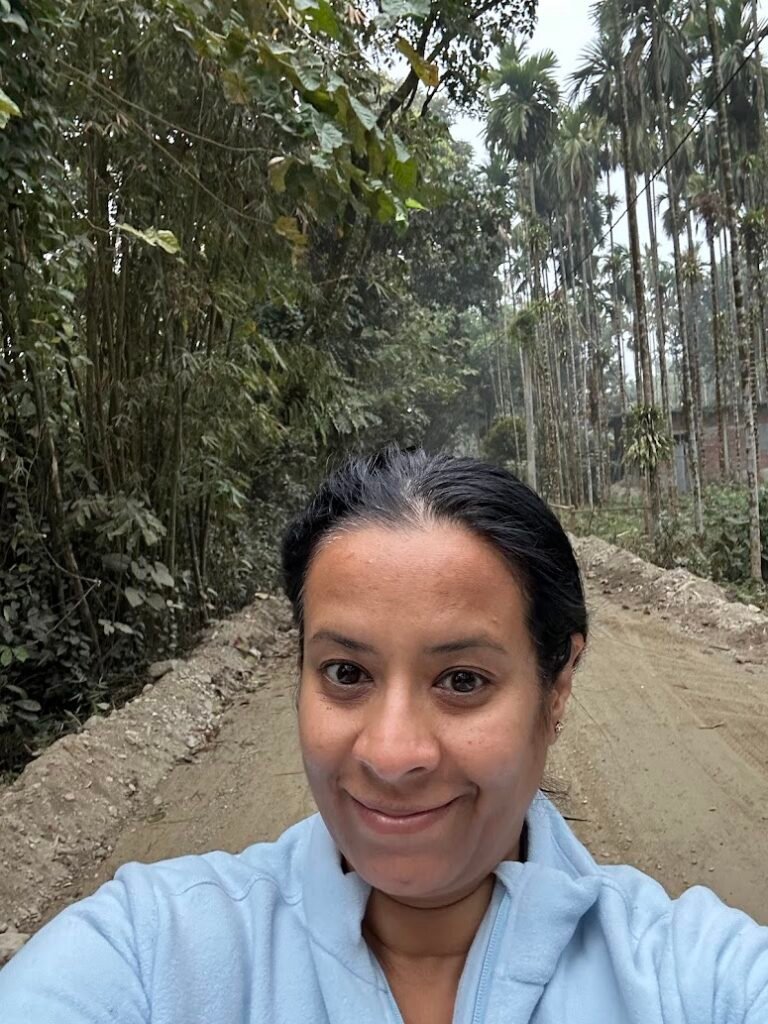
In the Dooars, villages feel held rather than open. Forests press close. Houses sit lower, closer to the earth, as if mindful of what surrounds them. Sound travels differently here — absorbed by trees, softened by humidity. Life does not spill out; it settles inward. You notice presence slowly, often only after you have stopped moving.
Daily rhythms follow this difference. In Konkan, work and rest follow tide, rain, and daylight. Movement outward — to fields, rivers, markets — feels natural and unremarkable. In the Dooars, routines are shaped by forest edges, river crossings, and caution learned over time. Movement is measured. Pauses are part of the day.
Even public spaces behave differently. A Konkan village square or tea stall feels like an extension of the home — porous, social, informal. In the Dooars, gathering feels quieter, more contained. People share space without announcing themselves. Silence is not absence; it is simply how life moves.
What separates the two most clearly is how the land positions the body. Konkan encourages walking, lingering, looking outward. The Dooars asks for listening, waiting, and noticing what cannot be seen immediately. One landscape opens. The other encloses — not oppressively, but attentively.
Neither way of living is gentler or harder. They are responses. The villages mirror the land that holds them. In Konkan, life flows alongside the landscape. In the Dooars, it learns to live within it. And moving between the two makes one thing clear: villages are not shaped by culture alone, but by how the land teaches people where to look, when to move, and how quietly to exist.