

When History never STOPS : Benaras
Some places carry history lightly. Others carry it continuously.
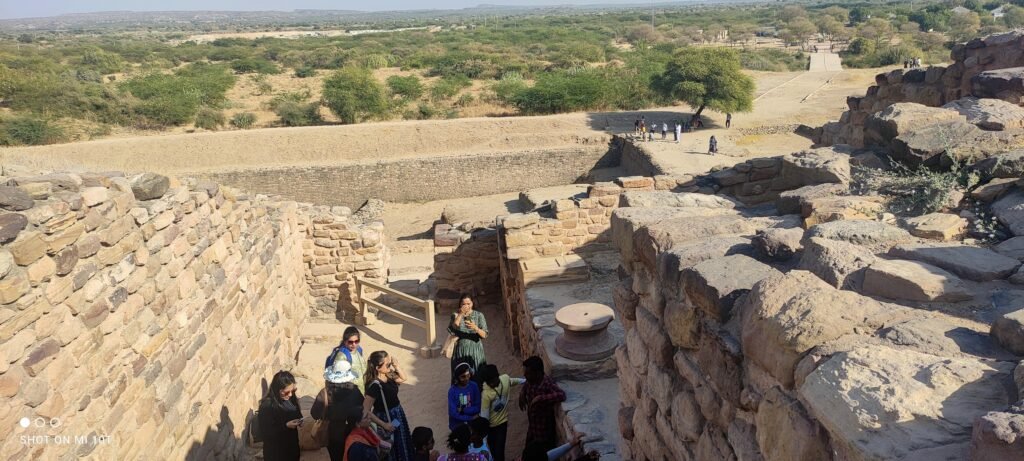
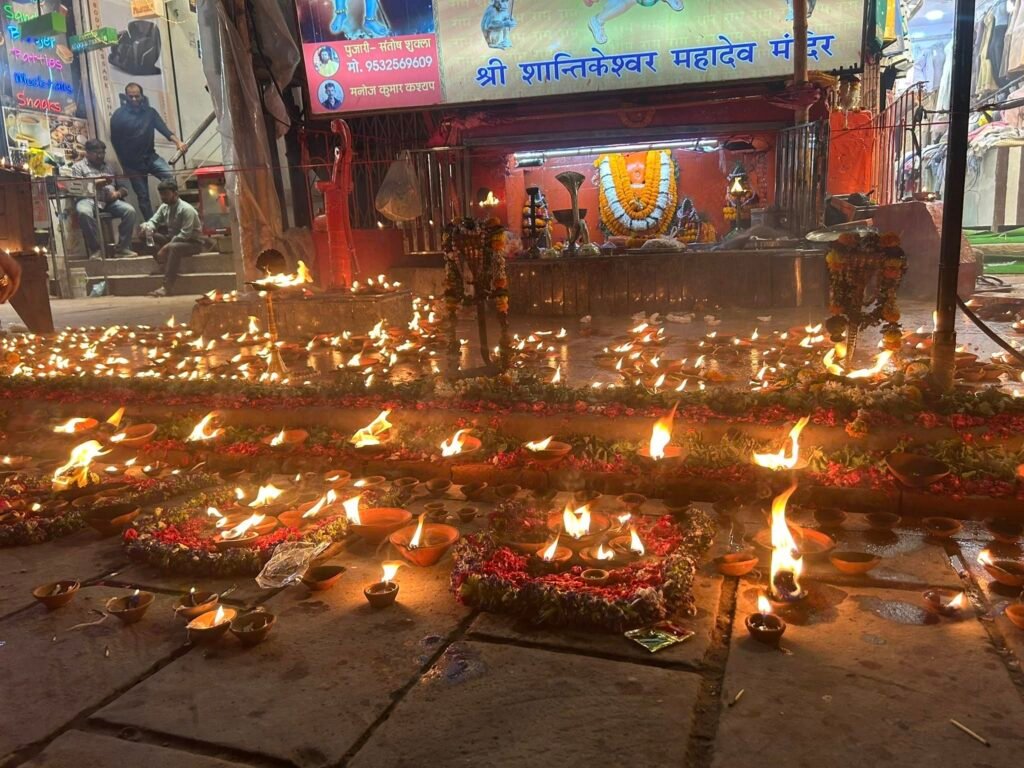
I realised this difference most clearly while standing in Dholavira — a city that no longer speaks, yet remains astonishingly legible. Much later, the contrast sharpened in Benaras, where history has never stopped unfolding, layering itself into daily life with relentless persistence.
This is not a comparison of importance or age. It is a reflection on two ancient places that reveal opposite relationships with time — one calm and concluded, the other living and ongoing.
Time That Has Stepped Back (Dholavira)
At Dholavira, time feels resolved. The city no longer competes for attention, and nothing demands interpretation. Excavated walls, reservoirs, and pathways sit quietly within the landscape, their intelligence visible without explanation. There is no ritual to observe, no crowd to follow, no sound to anchor you to the present.
What archaeology has revealed here is not drama, but design — a civilisation that planned carefully for water, climate, and continuity in an unforgiving environment. The absence of a dominating monument feels deliberate. Instead of spectacle, there is order. Instead of proclamation, restraint.
Standing inside Dholavira, the past feels complete. It does not insist on memory. It simply remains.
Time That Never Releases (Benaras)
Benaras behaves differently. Here, time does not step back — it accumulates.
Ritual repeats daily along the ghats. Life, death, prayer, commerce, and waiting unfold simultaneously, without separation. The city is not preserved; it is practiced. History does not sit beneath the present — it presses against it, reshaping each day through repetition.
Unlike Dholavira’s calm, Benaras is dense with continuity. Nothing feels concluded. Even moments of stillness are temporary, quickly absorbed back into sound, movement, and belief. The past here is not observed — it is participated in.
Benaras does not allow distance. It keeps you inside time, whether you want to be or not.
What These Places Ask of the Visitor
Dholavira asks for patience and attention. It rewards stillness. Understanding comes slowly, if at all, and does not rely on emotion. The body relaxes into space.
Benaras asks for endurance. It demands presence, tolerance, and surrender to repetition. The body stays alert. Meaning arrives through immersion rather than observation.
Neither place explains itself easily. But they ask very different things of those who arrive.
Two Ways Civilisation Leaves a Mark
Dholavira shows what remains when a civilisation withdraws carefully — systems intact, voices gone, order visible.
Benaras shows what happens when a civilisation never withdraws — it grows heavier, louder, and more complex with every generation.
One teaches restraint.
The other teaches continuity.
I did not feel awe at Dholavira. I felt steadied. I did not feel calm in Benaras. I felt absorbed. Both experiences lingered, not because they were impressive, but because they revealed opposite truths: that history can end without disappearing, and that it can also continue without ever settling.