Dholavira does not ask to be admired. It asks to be stood inside, quietly.
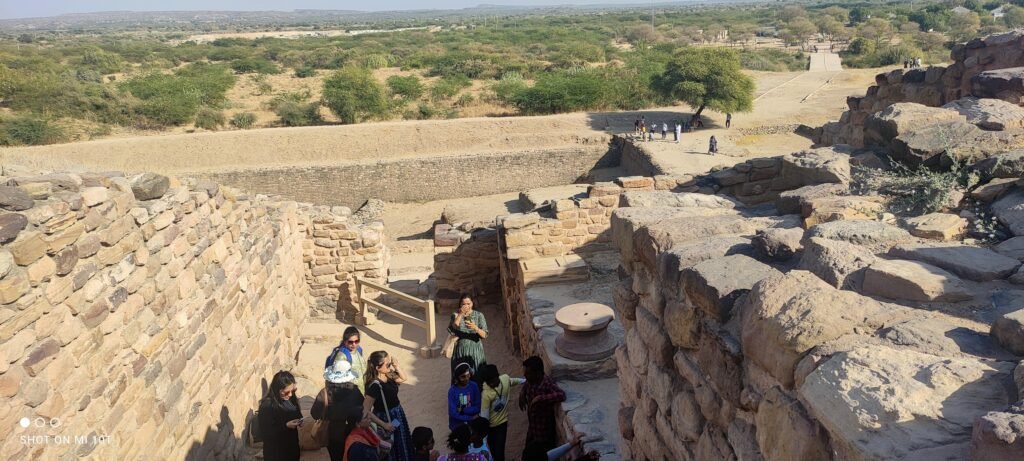
5000 Year old Indus valley Civilization (3000-1500 BCE), 5th Largest Harappan site renowned for advanced Urban Planning , massive stone constructions and sophisticated water management systems
Two Ways Time Leaves a Place: The Rann erases; Dholavira preserves.
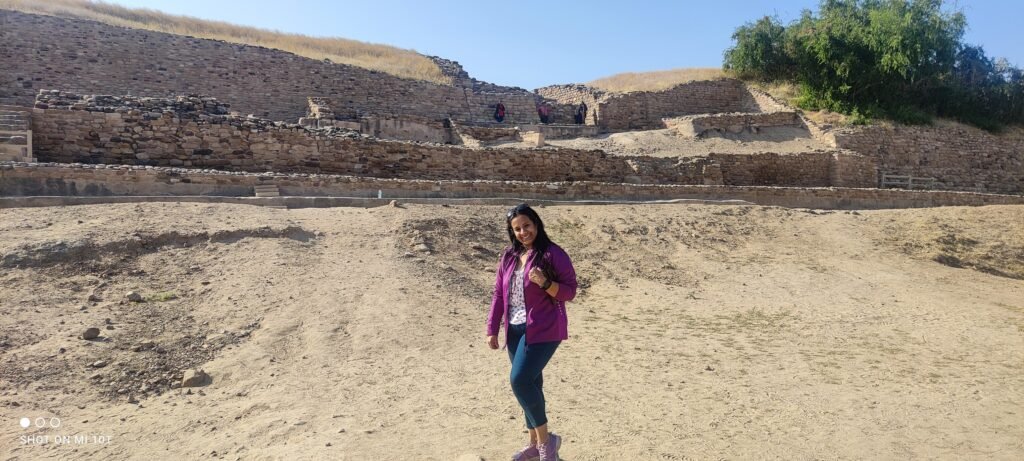
The approach to Dholavira takes longer than expected. The land flattens, the horizon stretches, and colour drains slowly into dust and stone. By the time the site appears, it does not announce itself — it simply waits. Low walls, open space, and a silence that feels intentional rather than empty.
Standing inside the ruins, what strikes first is not age, but order. The spacing between structures feels deliberate. Reservoirs sit calmly in the light, their edges softened by time but not by neglect. Nothing here competes for attention. The city does not perform its past; it holds it quietly, as if certainty once built into stone no longer needs explanation.
It takes a while to realise how much intelligence is contained in this restraint — how carefully people once planned for water, weather, and survival in a landscape that offered very little. Dholavira does not overwhelm. It steadies. And in that steadiness, the past feels unexpectedly calm, as though civilisation here withdrew without noise, leaving behind a system that still knows how to stand.
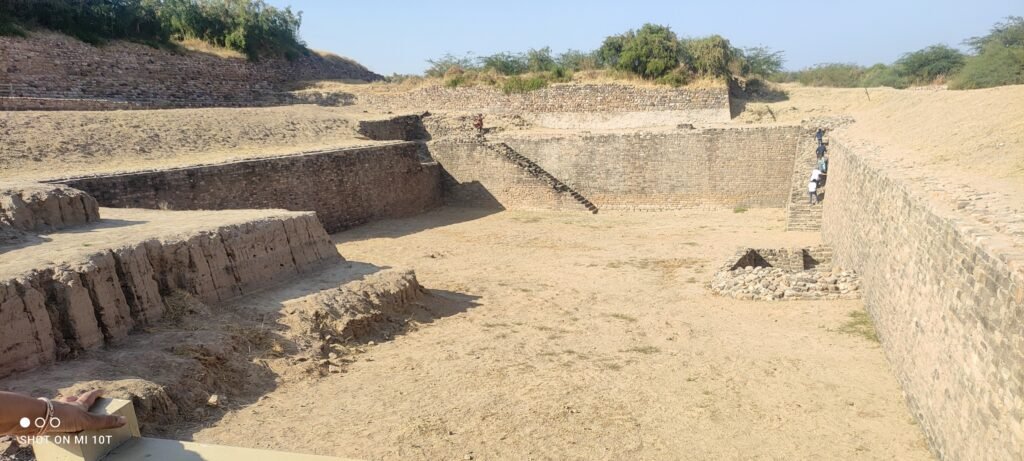
What excavation has revealed at Dholavira is not spectacle, but intention. The city was laid out with a clarity that feels almost modern — carefully separated zones, measured streets, and an absence of excess. Archaeologists uncovered a settlement planned in relation to its environment, not imposed upon it. In a landscape where water was scarce and the climate unforgiving, the city’s form suggests foresight rather than ambition.
The most striking discoveries remain the water systems. Massive reservoirs, channels cut into stone, and carefully aligned catchment areas point to an understanding of water as both resource and responsibility. These were not ornamental structures; they were essential, central, and intelligently integrated into daily life. Excavation showed how rainwater was guided, stored, and preserved — a reminder that survival here depended on restraint as much as ingenuity.
Equally telling is what is missing. There is no single dominating monument, no structure that demands attention above the rest. Instead, the findings suggest balance — between civic life, storage, movement, and habitation. Even the famous inscriptions and artefacts, recovered carefully from the soil, feel measured rather than declarative. The city speaks through organisation, not proclamation.
Standing amid these excavated remains, it becomes clear that Dholavira is less about what was built, and more about how carefully it was thought through. The excavations reveal a civilisation comfortable with planning for continuity rather than display. Time has stripped away roofs and voices, but the underlying intelligence remains visible — calm, legible, and quietly intact.
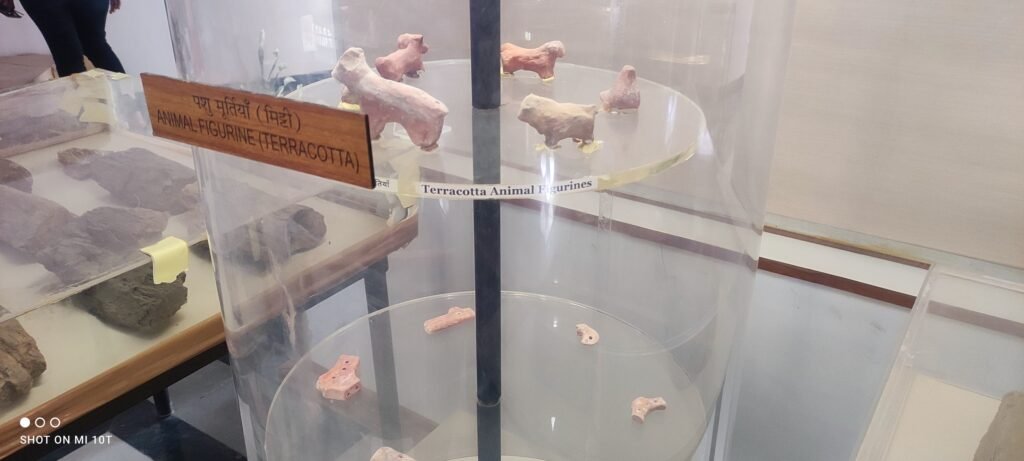
Clay Toys during Harappa civilization ; found at Dholavira
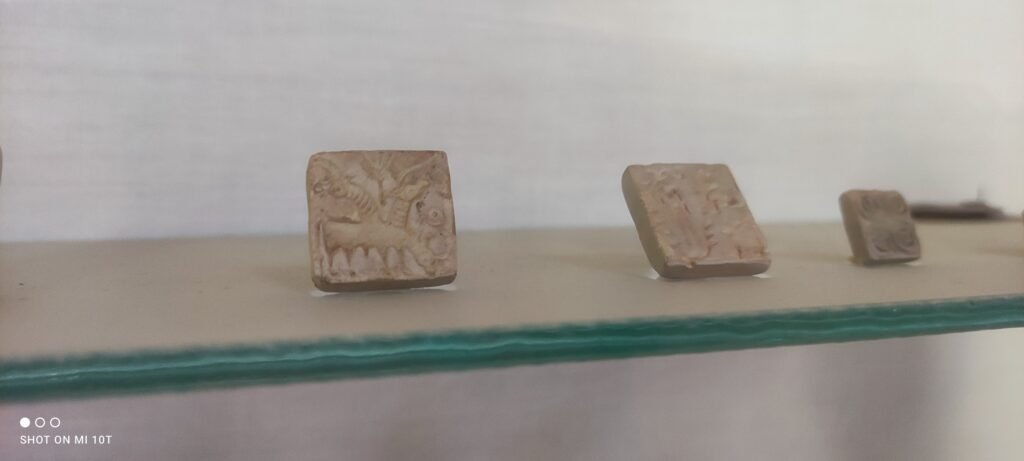
Seals of various sizes and artwork symbolizing the ending of “Barter” to “currency” evolution