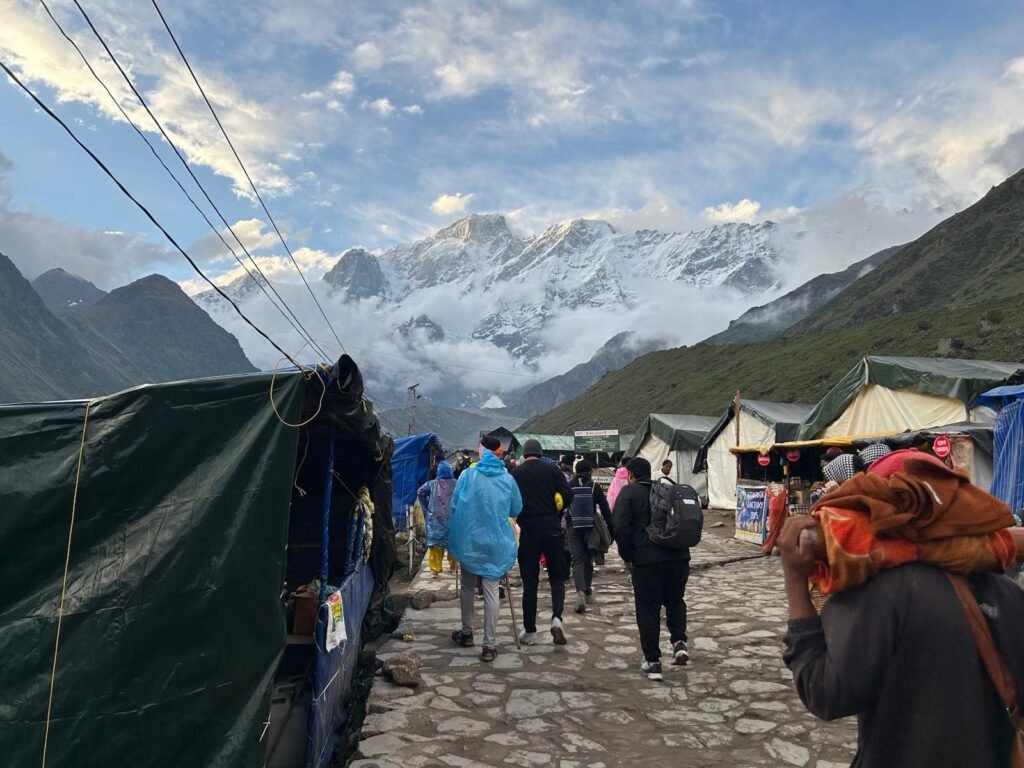
1. What is the essence of “An Ascent in Listening” in Kedarnath?
This journey is not just a physical trek but a deeply introspective experience. The idea of “listening” refers to tuning into the silence of the mountains, your inner voice, and the subtle rhythms of nature that often go unnoticed in everyday life.
2. How difficult is the Kedarnath trek?
The trek from Gaurikund to Kedarnath is moderately to highly challenging, involving a steep uphill climb of around 18-21 km over rugged Himalayan terrain. Many stretches are mountain trails and rocky and some are clear roads mix as well. It will test physical endurance as well as mental resilience.
3. What is the best time to visit Kedarnath?
The temple is typically open from April/May to October/November, depending on weather conditions. The most popular months are May–June and September–October, when the skies are clearer and the routes are relatively stable.
4. Do I need to register for the Kedarnath Yatra?
Yes, registration is mandatory for all pilgrims. It helps authorities track travelers for safety purposes and includes basic ID and health verification before starting the trek.
5. Can beginners or non-trekkers undertake this journey?
Yes, but preparation is essential. Even though options like ponies, palanquins, and helicopters exist, the altitude and terrain can still be physically demanding. Mental readiness and acclimatization are just as important as physical fitness.
6. What makes Kedarnath spiritually significant?
Kedarnath is one of the holiest shrines dedicated to Lord Shiva and part of the Char Dham and Panch Kedar circuits. The journey is often seen as both a pilgrimage and a transformative inner quest, where many travelers experience deep emotional and spiritual shifts.
7. What should I pack for the journey?
Essentials include:
Warm layered clothing (even in summer)
Good trekking shoes
Rain protection
Basic medicines and first aid
Water and energy snacks
Weather can change rapidly, so preparation is key.
8. Is accommodation easily available?
Yes, accommodations are available at Gaurikund, along the trek route, and near the temple. However, during peak season, it’s advisable to book in advance or arrive early.
9. How does the journey impact travelers emotionally or mentally?
My thrice till date experience has been transformative. The combination of physical challenge, altitude, and different energy and vibes in the ecosystem within the vast Himalayan landscape often leads to introspection, humility, and a profound sense of connection with something larger than oneself.
10. Is Kedarnath safe to visit?
While generally safe during the open season, the region is prone to unpredictable weather, landslides, and altitude-related challenges. Staying updated on conditions and following official guidelines is essential.
11. Are there alternatives to trekking the entire route?
Yes. You can opt for:
Pony or mule rides
Palanquin (doli) services
Helicopter services from nearby locations
These options make the journey accessible to a wider range of travelers.
12. What does one “take back” from Kedarnath?
Beyond photographs and memories, most travelers return with a quieter mind, a deeper sense of humility, and a lingering awareness of the power of silence and listening—both within and beyond.
Woman on Trek or Trails hand book
It is not test on Speed – It is endurance and Strength